
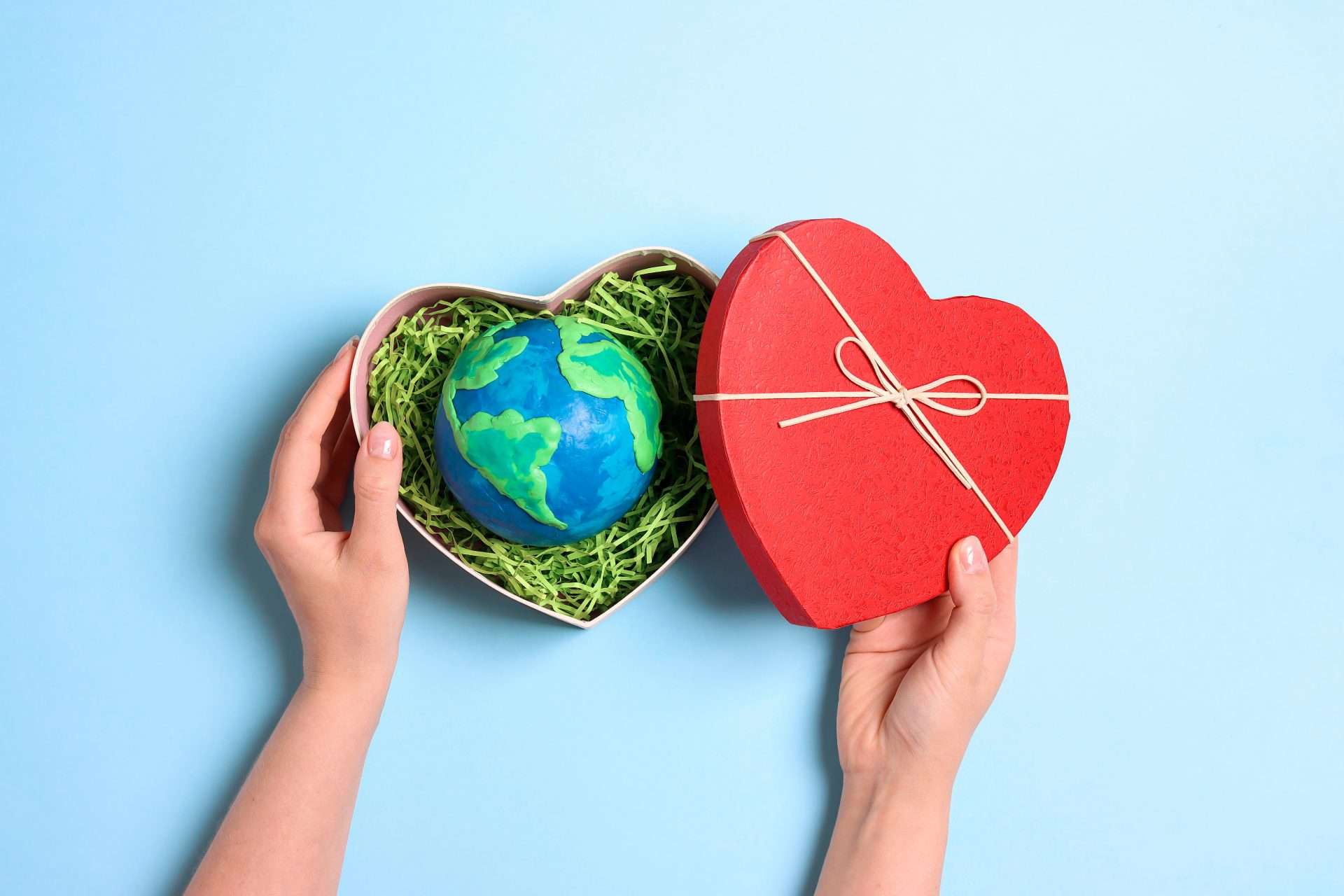
As millions of cards turn to waste and roses wilt away, we at Titan Resource Management are crafting a new kind of love letter—one that speaks to future generations. By making small changes in how we celebrate Valentine’s Day, we can create ripples of positive impact that last for years to come.
Do you think about waste on Valentines Day, the Waste Guru does, and you maybe surprised when you consider some of the statistics.
Each Valentine’s Day, approximately 25 million cards are sent across the UK, contributing to around 8,000 tonnes of paper waste. Shockingly, the paper industry for Valentine’s cards consumes about 100,000 trees annually.
Around 224 million roses are grown and shipped for Valentine’s celebrations in the UK. Nearly 70% of these flowers are imported, leading to significant carbon emissions. Alarmingly, roughly 40% of Valentine’s flowers are discarded within days.
An estimated 18,000 tonnes of packaging from Valentine’s gifts enters the waste stream each year. About £40 million worth of unwanted gifts are either discarded or returned. Additionally, approximately 3,000 tonnes of plastic packaging is generated from flowers and gifts.
Special Valentine’s meals contribute to approximately 4,200 tonnes of food waste, with an estimated £300 million worth of food from these celebrations ending up wasted. Restaurant food waste increases by about 35% during Valentine’s week.
The Waste Guru who is often told is not romantic this time of year wants you to consider different Ideas for Valentine’s Day.
– Send e-cards or digital messages instead of traditional cards.
– Create handmade cards using recycled materials.
– Opt for cards made from seed paper that can be planted.
– Purchase locally made gifts to reduce transport emissions.
– Choose experiences over material items for a more meaningful gift.
– Select gifts that come with minimal or recyclable packaging.
– Consider second-hand or vintage items for a unique touch.
OUR FAVOURITE: Sponsor or adopt an animal, love shared across the globe whilst making a difference.
Eco-Friendly Flowers
– Buy from local florists who use seasonal flowers.
– Choose potted plants that can last longer than cut flowers.
– Look for certified sustainable flower suppliers.
– Whenever possible, select British-grown flowers to support local agriculture.
– Plan portions carefully to minimise waste.
– Cook at home using local ingredients for a personal touch.
– Choose restaurants that practice sustainability.
– Save and properly store leftovers to reduce waste.
– Compost any food scraps to enrich the soil.
Decorations
– Use natural or reusable decorations to reduce waste.
– Create decorations from recycled materials for a personal flair.
– Store decorations properly for reuse in future celebrations.
– Avoid single-use plastic items to protect the environment.
Alternative Celebrations
– Plan outdoor activities that have minimal environmental impact.
– Create handmade gifts from sustainable materials for a heartfelt touch.
– Share digital playlists or photo albums to commemorate the day.
Transportation
– Plan dates at local venues to reduce travel emissions.
– Use public transport whenever possible to lower your carbon footprint.
– Consider walking or cycling to Valentine’s activities for added enjoyment.
These statistics and suggestions can help make more environmentally conscious choices while still celebrating meaningfully.
Remember this is a day created!
Card and retail sees a huge increase in profit.
However with a planet drowning in waste and mismanagement of waste why not focus on creating lasting memories while minimising your environmental impact.
Data collated and referenced from.
WRAP (Waste and Resources Action Programme)
Environmental Agency UK
Department for Environment, Food & Rural Affairs (DEFRA)