
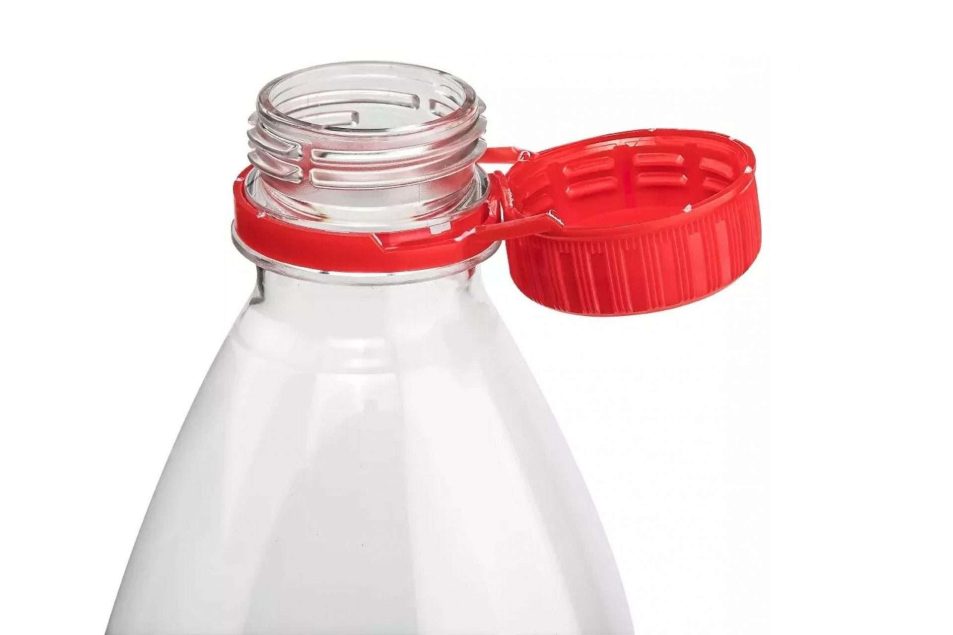
As a disruptor in the waste industry, I, The Waste Guru, always seek to improve and innovate waste management practices. One of the latest developments in plastic recycling is the introduction of attached lids on plastic bottles. These lids are designed to stay connected to the bottle even after opening, addressing practical and environmental concerns. But are these attached lids indeed a step forward, or are they adding to the complexities of recycling? Let’s delve into the pros and cons of this innovation.
The Problem with Detached Lids
Traditionally, plastic bottles and their lids have been made from different types of plastic. Bottles are usually made from PET (polyethylene terephthalate), while lids are often made from PP (polypropylene) or HDPE (high-density polyethylene). This difference in materials has posed a significant challenge for recyclers:
- Separation Difficulty: Consumers often throw bottles and lids into the recycling bin separately, which can lead to the lids getting lost or contaminating the recycling stream.
- Sorting Issues: Mixed materials require additional sorting and processing, increasing the cost and complexity of recycling operations.
- Litter Problems: Detached lids are small and easily lost, contributing to litter and environmental pollution.
The Introduction of Attached Lids
The idea behind attached lids is simple: if the lid stays with the bottle, it’s more likely to be recycled along with the bottle, reducing litter and streamlining the recycling process. However, this innovation brings both benefits and challenges.
Pros:
- Reduced Litter: Attached lids are less likely to become litter, as they stay with the bottle until adequately disposed of.
- Improved Recycling Rates: Keeping the lid attached ensures it reaches the recycling facility along with the bottle, potentially increasing overall recycling rates.
- Consumer Convenience: Consumers no longer need to worry about whether to remove the lid, simplifying the recycling process.
Cons:
- Material Differences: Even though the lid is attached, it’s often made from a different type of plastic than the bottle. This can complicate the recycling process unless facilities are equipped to handle mixed plastics.
- Increased Sorting Complexity: Recycling facilities may need to implement new technologies or processes to separate the different plastics during recycling effectively.
- Potential Contamination: If not appropriately managed, different plastics can contaminate the recycling stream, reducing the quality of the recycled material.
Impact on Recycling
Before Attached Lids:
- Consumers often discard lids separately, leading to lower recycling rates for lids.
- Detached lids contributed significantly to litter and pollution.
- Recycling facilities faced challenges in sorting and processing mixed plastics.
With Attached Lids:
- There is potential for higher recycling rates for bottles and lids, assuming proper consumer behaviour and facility capabilities.
- Litter from bottle lids could decrease, reducing environmental pollution.
- Facilities may need to adapt to handle the attached lids, potentially incurring additional costs and changes in sorting processes.
The Future of Attached Lids in Recycling
For attached lids to be genuinely beneficial, several conditions need to be met:
- Consumer Education: Consumers must be educated about the importance of leaving lids attached to ensure they enter the recycling stream together.
- Recycling Facility Upgrades: Facilities must invest in technology capable of efficiently processing bottles with attached lids and effectively separating the different plastics.
- Material Innovation: To simplify the recycling process, the industry might need to use the same type of plastic for bottles and lids.
Conclusion
Introducing attached plastic bottle lids is a promising waste management and recycling innovation. While it offers the potential to reduce litter and improve recycling rates, it also presents challenges that must be addressed. As the waste industry continues to evolve, recyclers, manufacturers, and consumers need to work together to maximize the benefits of this development.
At The Waste Guru, we believe in pushing the boundaries of traditional waste management practices to create a more sustainable future. By addressing the challenges and opportunities presented by attached lids, we can move closer to a world where recycling is more efficient and effective for everyone.
If you would like to share your views or receive support in managing waste, please do so.