As the Waste Guru at Titan Resource, I’ve had my fair share of discussions about the evolution of recycling practices, particularly regarding plastics. Recently, many councils have implemented new regulations limiting the types of plastics that can be collected for recycling, specifically allowing only PET (Polyethylene Terephthalate) and HDPE (High-Density Polyethylene). This shift raises several concerns that merit deeper examination.
The Risks of Restricting Plastic Types
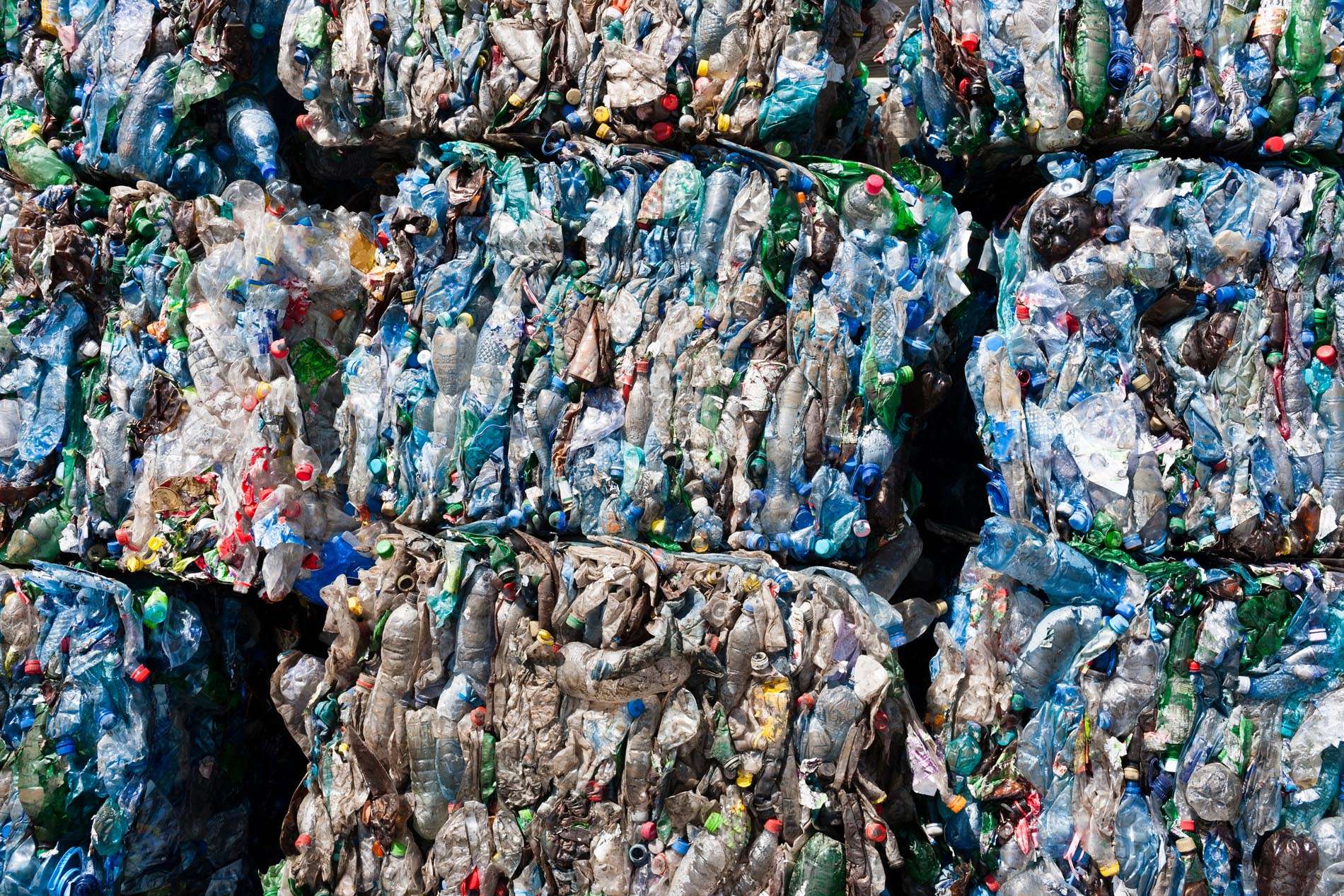
While these changes aim to simplify recycling and reduce contamination, the reality is more complex. By restricting recycling to just PET and HDPE, councils may inadvertently create a false sense of security among residents. People may feel they are actively contributing to sustainability by recycling these plastics. At the same time, other materials that could potentially be recyclable are being sent to landfill instead.
Moreover, this limitation fails to address the broader issue of plastic pollution. Many products made from other plastics, such as polypropylene and polystyrene, are still prevalent daily. By excluding these materials from the recycling stream, we risk increasing overall plastic waste and failing to encourage innovative recycling solutions for a broader range of plastic types.
Impacting the Circular Economy
The circular economy is built on reducing waste, reusing materials, and recycling. By limiting the types of plastics accepted for recycling, councils are undermining the very foundation of this economic model. In a truly circular system, all materials should be considered valuable resources that can be reprocessed and reused.
When councils restrict recycling options, they inadvertently signal to manufacturers that only certain materials are worth investing in for recycling technologies. This can stifle innovation and development in recycling processes for other plastics, ultimately hindering progress toward a more sustainable future. As a result, the potential for creating closed-loop systems where materials are continually reused is diminished.
Increasing Material to Landfill
One of the most concerning consequences of these changes is the increase in materials sent to landfills. With fewer options for recycling, many residents may be left wondering what to do with their non-PET and non-HDPE plastics. Unfortunately, the easiest solution for many is to throw these items in the trash. This not only exacerbates the issue of landfill waste but also contributes to greenhouse gas emissions and environmental degradation.
Furthermore, as landfills reach their capacity, the costs associated with waste management will inevitably rise. This economic burden will likely fall on local councils and taxpayers. By narrowing the recycling stream, councils increase waste and set themselves up for higher future costs.
A Path Forward
The solution lies in a more inclusive approach to recycling that encourages innovation and collaboration among stakeholders. Councils should consider working with local businesses, waste management companies, and environmental organisations to develop comprehensive recycling programs that accommodate a wider range of plastics. Education is also critical; residents must be informed about what can and cannot be recycled and make informed decisions about their waste.
In conclusion, while the recent council changes may seem like a step toward improving recycling efforts, they carry significant risks that could ultimately harm the environment and hinder the circular economy. By embracing a broader range of materials for recycling and fostering a culture of innovation and education, we can create a sustainable future that benefits our communities and the planet. At Titan Resource, we advocate for changes and support initiatives promoting responsible waste management. Let’s work together to ensure that outdated practices do not limit our efforts toward sustainability.