Here are the subjects we want to put on the table, and some questions to get the discussion started.
E-Waste: The Fastest Growing Waste Stream in the World
Electronic waste is the fastest growing waste stream globally, and yet the UK’s approach to dealing with it remains inconsistent. Old phones, laptops, monitors, keyboards, printers, televisions and white goods all contain a cocktail of valuable materials, including gold, copper, rare earth elements and lithium, alongside genuinely hazardous substances such as mercury, cadmium and lead.
The conversation around e-waste needs to cover both ends of the problem. At the consumer level, there is the question of what happens to a phone when you upgrade. At the industrial level, there is the question of how businesses manage end-of-life IT and equipment assets responsibly, in compliance with WEEE regulations and with genuine environmental outcomes rather than paper compliance.
The right to repair movement, extended manufacturer responsibility and the rise of refurbishment markets are all shifting the landscape. We want to explore where genuine progress is being made and where the rhetoric is running ahead of reality.
Vapes and Batteries: A Regulatory and Environmental Emergency
Single-use vapes have created a waste management crisis in the United Kingdom that few anticipated. Containing lithium batteries, electronic components and plastic, they are neither recyclable through standard streams nor safely disposable in general waste. They have been turning up in recycling collections, street waste and landfill in enormous volumes, causing fires at waste facilities and sending recoverable materials to disposal.
The government has moved to ban single-use vapes from 2025, but the challenge of how to manage the legacy waste stream, and the broader question of how lithium batteries from all sources are handled, remains unresolved. Battery fires in waste facilities are an increasing operational hazard. Lithium recovery infrastructure in the UK is still developing.
This is a subject that sits at the intersection of regulation, consumer behaviour, product design and waste infrastructure. It is exactly the kind of issue that benefits from open, informed discussion.
Food Waste and Alternative Processes: From Problem to Resource
The United Kingdom wastes approximately 9.5 million tonnes of food annually, at an estimated cost of over twenty billion pounds and with a significant carbon footprint. Yet food waste, as we discussed in our previous blog, is a resource with multiple recovery routes available to it.
Anaerobic digestion converts food waste into biogas, which can generate electricity and heat, and digestate, which can be used as a fertiliser. Composting returns nutrients to the soil. Redistribution networks divert edible food from waste to people who need it. Insect farming using food waste to grow black soldier fly larvae is an emerging alternative that converts organic material into high-protein animal feed.
The technology and the systems exist. The barriers are often commercial, logistical and behavioural. A genuine conversation about food waste needs to address why those barriers persist and what a serious national approach would look like.
Plastics and Their Purpose: Asking the Harder Questions
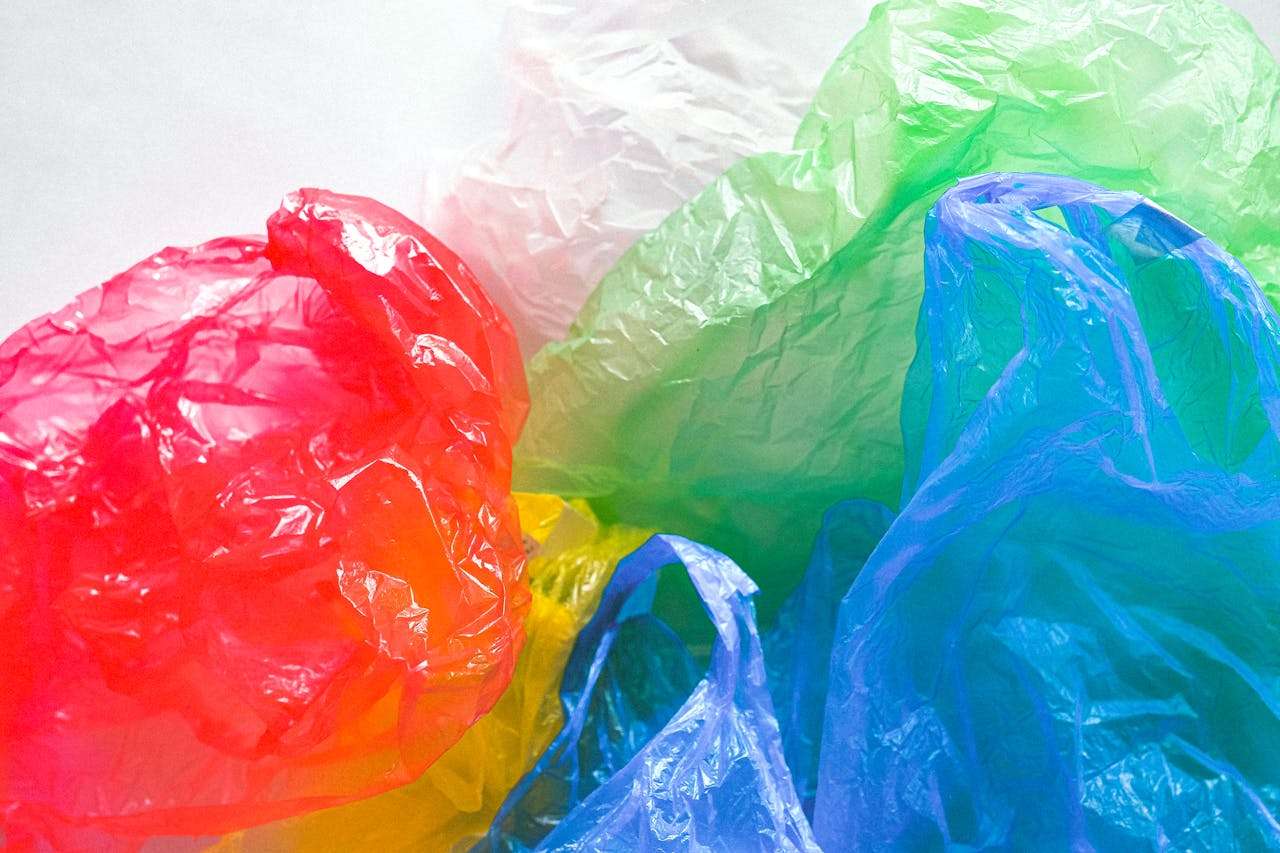
Plastic has become the villain of the waste story, but the conversation is more nuanced than the headlines suggest. Plastic packaging extends the shelf life of food, reducing waste. Plastic in medical devices is critical to patient safety. Lightweight plastic components in vehicles reduce fuel consumption and therefore emissions.
At the same time, single-use plastic that serves no functional purpose, plastic that cannot be recycled because of its design, composite materials that combine polymers in ways that make separation impossible: these represent genuine failures of design thinking and product stewardship.
The question is not simply whether plastic is good or bad. The question is which plastics, for which purposes, designed in which ways, managed through which systems. We want to test that thinking with a series of challenges.
Can you name five everyday products where plastic is genuinely the best material choice from an environmental perspective? Can you explain the difference between mechanical recycling and chemical recycling, and the conditions under which each is viable? What does the polymer type symbol on the bottom of a container actually tell you about its recyclability in UK collections?
These are not trick questions. They are the kinds of questions that, when answered well, demonstrate a real understanding of the material. We want to hear your responses.
Join the Conversation
Ted Talks Waste is about building knowledge, challenging assumptions and identifying where the waste sector needs to go next. Whether you are a business looking to improve your environmental performance, a professional working in waste management or simply someone who wants to understand the issues better, these are discussions worth having.
We will be sharing responses, perspectives and insights across our platforms. Get involved.
Get in Touch
To find out how Titan Resource Management can support your business, contact Lee Mosby.
Phone: +44 7552 851090
Email: Lee@titanresource.co.uk