

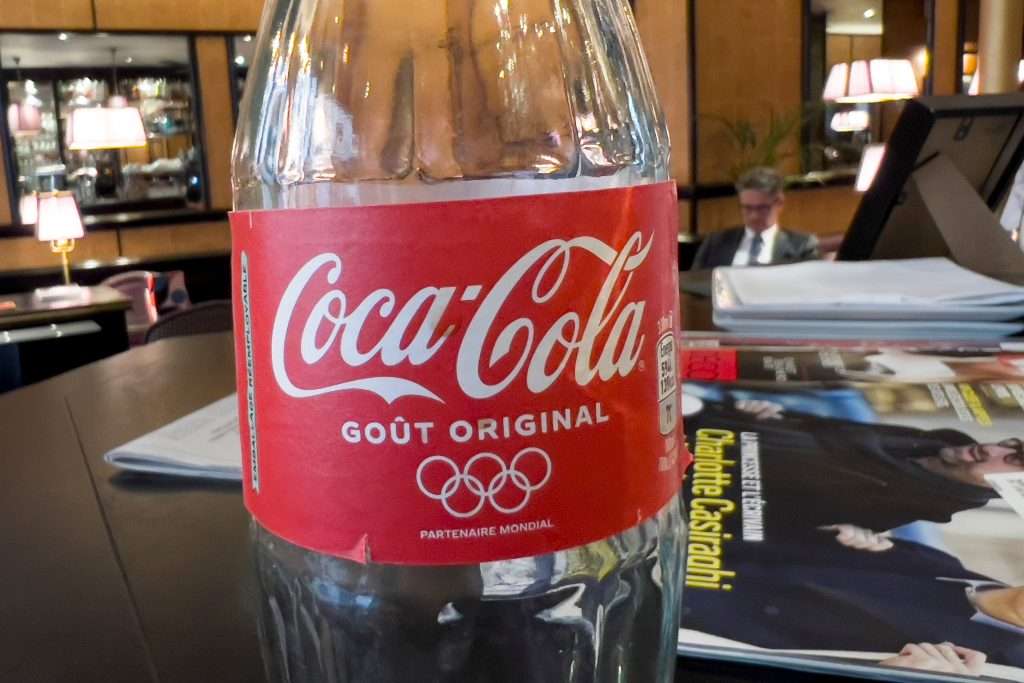
Welcome to The Waste Guru, your go-to source for in-depth discussions on sustainability, waste management, and environmental stewardship. Today, we delve into the controversy surrounding Coca-Cola’s Olympics sponsorship. This topic has sparked widespread debate and raised important questions about corporate responsibility and environmental impact.
Coca-Cola and the Olympics: A Long-Standing Partnership
Coca-Cola has been a prominent sponsor of the Olympic Games since 1928, making it one of the longest-standing partnerships in the event’s history. The company’s branding is ubiquitous at Olympic venues, on athletes’ uniforms, and in global advertising campaigns. While this sponsorship has undoubtedly provided significant financial support to the Olympics, it has also become a focal point for controversy, particularly regarding environmental and health concerns.
The Controversy Explained
Plastic Pollution:
Environmental Impact: Coca-Cola is one of the world’s largest producers of plastic bottles. Despite efforts to promote recycling, much of this plastic is in landfills and oceans. This has contributed to the growing global plastic pollution crisis, with single-use plastics being a significant environmental hazard.
Olympic Sponsorship Paradox: The Olympic Games, which celebrate unity, health, and environmental awareness, seem at odds with a sponsor that significantly contributes to plastic waste. This paradox has not gone unnoticed by environmental activists and concerned citizens.
Health Concerns:
Sugary Beverages: Coca-Cola products are high in sugar and have been linked to numerous health issues, including obesity, diabetes, and heart disease. Critics argue that promoting sugary drinks during a global event celebrating physical fitness and well-being is contradictory.
Youth Influence: The Olympics draw a large, young audience. The prominent placement of Coca-Cola branding can influence children’s and teenagers’ beverage choices, promoting sugary drinks over healthier options.
Corporate Responsibility:
Greenwashing Accusations: Coca-Cola has launched various initiatives to improve its environmental footprint, such as increasing the use of recycled materials and promoting recycling programs. However, critics often label these efforts as greenwashing, accusing the company of making superficial environmental claims while continuing unsustainable practices.
Calls for Accountability: Activists and environmental groups are calling for greater corporate accountability and more substantial actions from Coca-Cola to reduce its plastic production and environmental impact.
Coca Cola’s Response
In response to these criticisms, Coca-Cola has outlined several strategies to address its environmental and health impacts:
Sustainable Packaging Initiatives: Coca-Cola has committed to making 100% of its packaging recyclable by 2025 and using at least 50% recycled material in its bottles and cans by 2030.
World Without Waste Campaign: This campaign aims to collect and recycle a bottle or can for every one sold by 2030.
Healthier Product Range: Coca-Cola has expanded its product line to include more nutritious options, such as low-sugar and zero-sugar beverages and water and sports drinks.
The Bigger Picture
The controversy surrounding Coca-Cola’s Olympic sponsorship highlights broader corporate responsibility issues and significant companies’ role in addressing global challenges. It raises crucial questions about the balance between corporate sponsorship and the values of the events they sponsor, especially those with significant social and environmental impacts.
Conclusion
As The Waste Guru, we aim to encourage informed discussions and promote sustainable practices. The controversy over Coca-Cola’s sponsorship of the Olympics serves as a reminder of the complex relationship between corporate interests and global events. It underscores the need for greater transparency, accountability, and commitment to sustainability from corporations worldwide.
While Coca-Cola’s initiatives show a step in the right direction, consumers, activists, and stakeholders must continue advocating for meaningful change. We can collectively push for a more sustainable and responsible future by staying informed and engaged.
Stay tuned for more insights and discussions from The Waste Guru, where we tackle the pressing environmental issues of our time.