
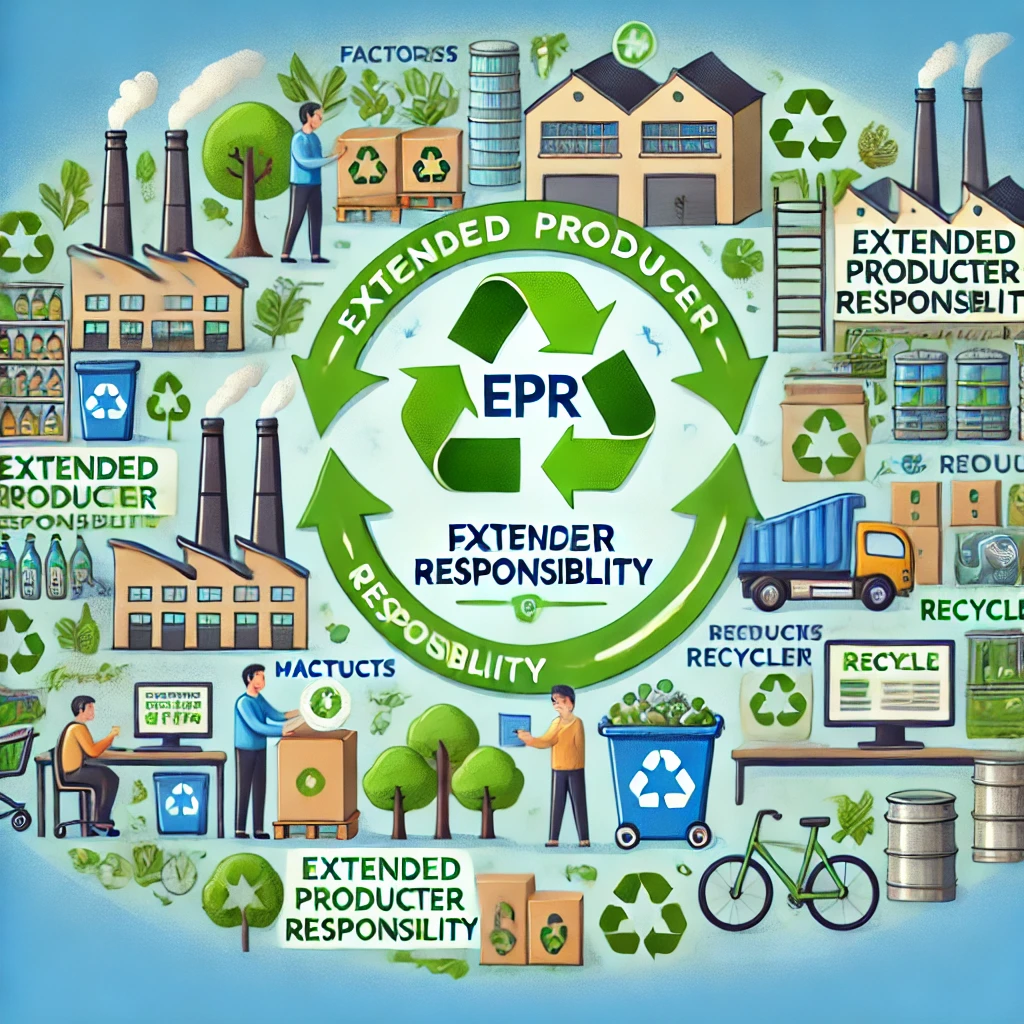
The recent introduction of Extended Producer Responsibility (EPR) legislation in the UK marks a significant shift in how waste management is approached across various sectors. As businesses grapple with these new requirements, it’s essential to understand the implications, costs, and strategies for compliance.
What is EPR Legislation?
EPR legislation requires producers to take responsibility for the entire lifecycle of their products, particularly concerning waste management and recycling. This means that businesses will now be accountable for disposing of and recycling their products once they reach the end of their life cycle. The primary goal is to reduce waste, increase recycling rates, and promote sustainable product design.
Impact on UK Businesses
Cost Transfer from Local Authorities to Businesses:
Traditionally, local authorities have managed waste collection and disposal. However, under the new EPR framework, the financial burden will increasingly shift to businesses. This shift means that companies will need to budget for waste management costs previously covered by public funding.
Impact on Various Waste Streams
The EPR legislation does not apply uniformly across all waste streams. It primarily targets packaging waste, electrical and electronic equipment, batteries, and vehicles. Businesses involved in these sectors will face the most immediate changes. However, the overarching principles of EPR may eventually influence other waste categories as the legislation evolves.
Compliance Costs:
Companies will incur costs related to compliance with EPR regulations, including:
Data Reporting: Businesses will need to track and report the amount of packaging they sell.
Registration Fees: Companies must register with compliance schemes, which may charge fees based on the volume and type of packaging.
Increased Recycling Fees: As recycling responsibility shifts, businesses may need to pay higher fees to ensure their products are collected and recycled properly.
Steps to Ensure Compliance
Businesses can take several proactive steps, which the team at Titan Resource Management can facilitate, to navigate the complexities of EPR legislation effectively.
Conduct a Waste Audit
Understanding the types and volumes of waste generated is critical. A comprehensive waste audit can help identify areas for improvement and potential cost savings. Our team can provide ongoing data and advice to create the transparency essential for new legislation.
Engage with Compliance Schemes:
Joining a compliance scheme can help businesses meet their EPR obligations. These schemes can provide guidance, support, and resources to manage compliance effectively. Our team can guide you to organisations and criteria that can support these efforts.
Invest in Sustainable Practices: Transitioning to more sustainable materials and product designs can reduce the overall waste footprint and lower compliance costs in the long run. Businesses should prioritise single-polymer packaging and consider recycling-friendly designs. With many years of experience, our team is able to support from design to end of life, cradle to grave. Through years of experience, the team at Titan will provide honest and thoughtful support.
Educate Employees
Training staff about the importance of EPR and waste management can foster a culture of sustainability within the organisation. Employees should know their roles in reducing waste and promoting recycling initiatives.
Stay Informed
The legislative landscape is continually evolving. Regularly reviewing updates and guidance from the government and industry bodies will ensure that businesses remain compliant and can adapt to future changes.
Conclusion
The implementation of EPR legislation in the UK represents a crucial step towards a more sustainable future. While the transition may bring challenges, especially concerning costs and compliance, it also presents opportunities for businesses to innovate and enhance their sustainability efforts. By proactively engaging with these changes, UK businesses can comply with the new regulations and position themselves as leaders in environmental responsibility. Every business requires a transparent and honest supply chain. This is not just another box to be ticked; you need to be proactive.
Reach out to our team and experience the wealth of knowledge that they can impart.
EPR will create change, so you need to be ahead of this.