
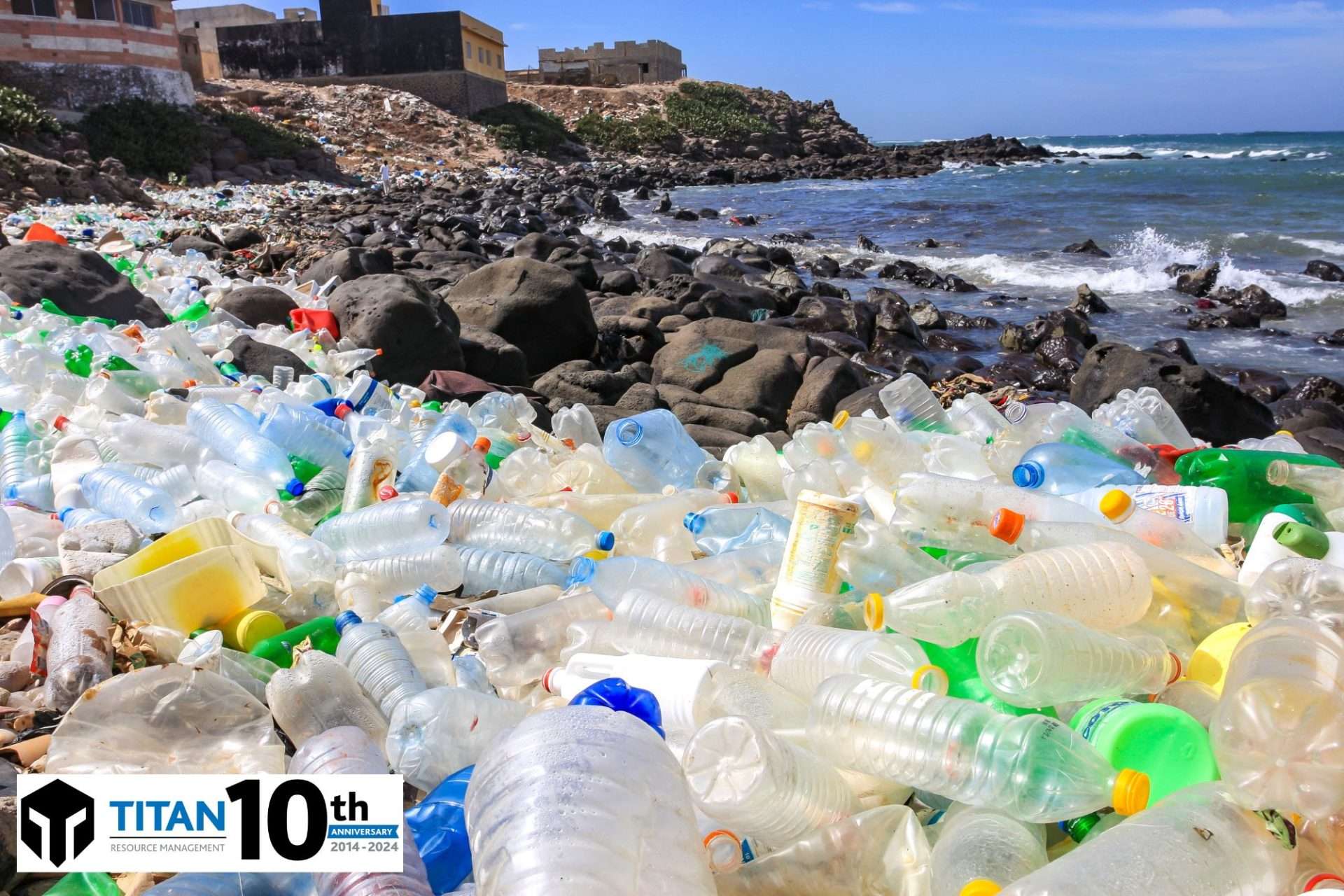
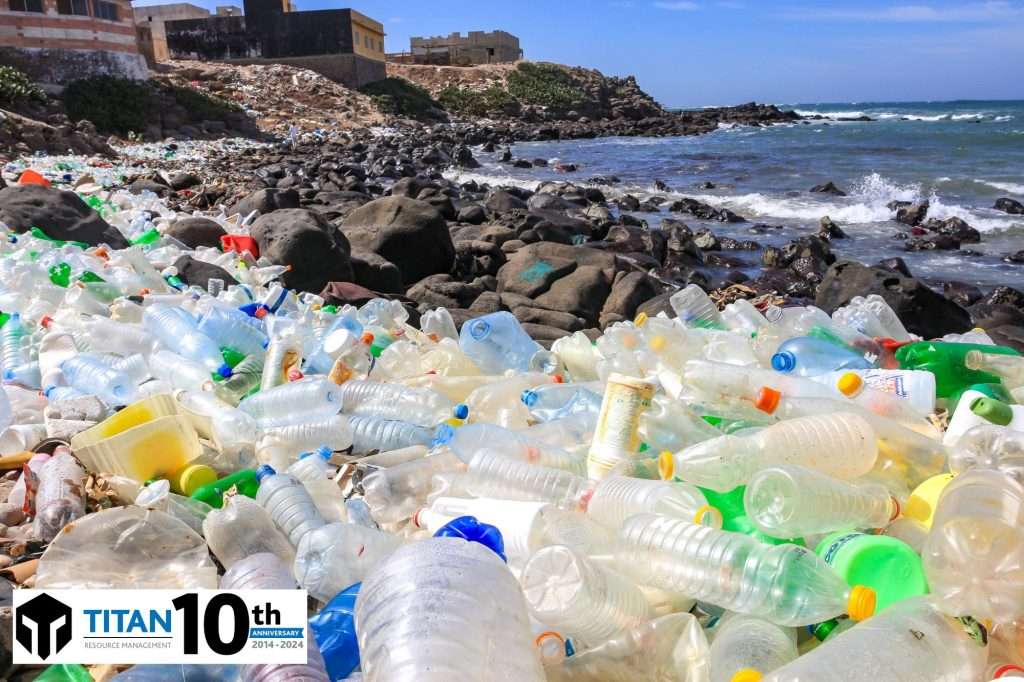
In the complex world of plastic waste, transparency and simplicity are the golden rules for maximising the value of recyclable materials. The Waste Guru believes that managing waste efficiently goes beyond collection and sorting – it’s about creating a transparent, straightforward process that benefits both businesses and the environment. When it comes to plastics, a transparent and uncomplicated approach can unlock more excellent value for your waste, reduce contamination, and streamline the recycling process.
Ocean plastic is rarely the only material in products labelled as “made from ocean plastic” because of the limited supply, high cost, and quality issues associated with using plastics recovered from the ocean. Ocean plastic is often brittle, degraded, and contaminated, requiring extensive processing and cleaning. These challenges lead manufacturers to blend ocean plastic with other recycled or virgin plastics to ensure product durability and quality. However, companies may still market these products as “100% ocean plastic,” which can mislead consumers, a practice known as greenwashing. Transparent labelling about material blends would give consumers a more accurate understanding of what they’re purchasing and support genuinely sustainable practices.
Here’s why transparency and simplicity are essential in plastic recycling and how to apply these principles to boost the worth of your waste.
1. Understanding Your Waste Stream Improves Sorting and Pricing
Transparency means knowing precisely what plastics you’re dealing with in your waste stream. Not all plastics are equal, and certain types (like PET and HDPE) have higher market demand than others. When you can accurately identify and communicate the kinds of plastic in your waste, you can access better pricing and identify the right recycling partners.
Businesses often overlook this first step, leading to mixed loads that complicate recycling and reduce the overall value. A transparent approach requires clear labelling, effective sorting, and documentation, allowing recyclers to provide competitive pricing based on the actual quality of your waste.
2. Clear Communication Reduces Contamination
One of the biggest challenges in plastic recycling is contamination – non-recyclable materials mixed with recyclable ones. Contamination diminishes the value of recyclables and can render entire batches unusable. Transparency between businesses and recyclers helps minimise contamination by setting clear expectations on the types of materials accepted and ensuring everyone along the chain understands what belongs (and what doesn’t) in the recycling stream.
A simple system for communicating acceptable materials, such as clear guidelines and signage for employees, can go a long way in preventing accidental contamination. The cleaner your materials, the more value they retain, making simplicity and clarity essential for reducing contamination.
3. Streamlined Processes Save Time and Resources
Simplicity improves recycling quality and saves time and resources. Complex sorting and handling processes increase operational costs, cutting into the economic and environmental benefits of recycling. By standardising the types of plastics collected and ensuring each waste stream is as “clean” as possible, businesses can make their recycling process more efficient, reducing the time, labour, and energy required.
This streamlined approach is fundamental in large operations. By keeping the process straightforward, businesses can improve the consistency of their waste streams, making it easier to handle larger volumes and meet regulatory requirements without additional strain on resources.
4. Building Trust in a Complex Market
Transparency in plastic recycling is also about trust. When you’re transparent and open about the materials you provide, you’re building trust with recycling partners, who can be more confident that the materials meet their specifications. This trust can lead to long-term partnerships that benefit both parties, as recyclers are more likely to prioritise trusted sources with reliable, uncontaminated materials.
Moreover, transparency helps address the growing demand from consumers and regulators for sustainable practices. When businesses are transparent about their waste management processes, they boost the value of their recyclables and reinforce their commitment to sustainability, which can be a competitive advantage in the marketplace.
5. Boosting Your Brand’s Commitment to Sustainability
In an era when environmental responsibility is in the spotlight, transparency in waste management reflects positively on your brand. By adopting transparent and straightforward recycling practices, businesses can showcase their commitment to reducing waste and conserving resources. This proactive approach maintains the value of plastic waste and enhances brand reputation.
Today’s customers and stakeholders want to know that companies are committed to sustainable practices. A transparent recycling program that emphasises simplicity and accountability demonstrates this commitment, helping your brand stand out in a competitive, eco-conscious market.
Practical Steps to Achieve Transparency and Simplicity in Plastic Recycling
So, how can businesses put transparency and simplicity into action? Here are some practical steps:
2. Label Clearly and Train Regularly: Use labels and regular training sessions to ensure staff understand what belongs in the recycling stream.
3. Partner with Transparent Recyclers: Work with recycling companies, prioritising open communication and transparent processes so both parties understand the standards and expectations.
4. Use Technology to Track and Document: Use waste tracking technology to document plastic types and quantities. This will help you keep track of your recycling efforts and ensure accountability.
5. Stay Up-to-Date on Regulations: Environmental regulations change, and staying informed helps ensure compliance and maintain value in your waste.
Conclusion
In the plastic recycling industry, transparency and simplicity aren’t just best practices—they’re essential for maximising the value of waste. By keeping things clear and straightforward, businesses can reduce contamination, save time, and build stronger partnerships, all while reinforcing their commitment to sustainability. At Waste Guru, we believe that a transparent approach to waste management is vital to unlocking the true potential of recyclables and ensuring a sustainable future for all.