
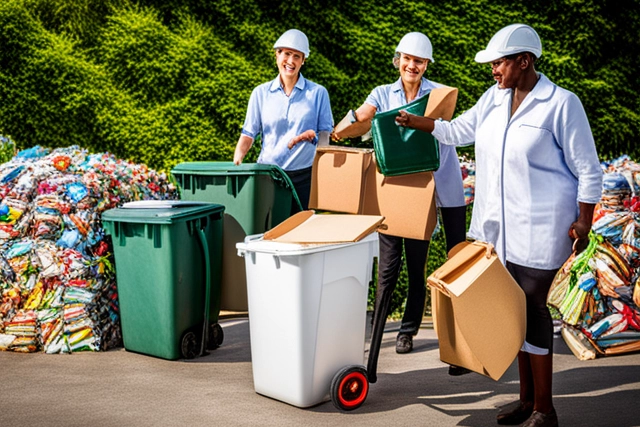
The kerbside recycling system in the UK, particularly in England, has long been touted as a convenient solution to manage household waste and boost recycling rates. However, despite years of efforts, the system could be working more effectively, especially when compared to the successes seen in Wales and Scotland. This Blog, from the perspective of the Waste Guru at Titan Resource, explores the reasons behind the inefficiencies of curbside recycling in England. It underscores the critical importance of prioritising recycling across the nation.
The Current State of Kerbside Recycling in England
Kerbside recycling involves collecting recyclable materials directly from households, such as paper, glass, plastic, and metal. While the concept is straightforward, the execution has been plagued with issues, leading to disappointing recycling rates. Data shows that England’s recycling rate has stagnated at around 45%, well below the rates achieved in Wales (65%) and Scotland (50%).
The Waste Guru at Titan Resource identifies several key factors contributing to the underperformance of kerbside recycling in England:
Inconsistent Collection Systems: Unlike Wales, which has a more standardised approach, England’s local councils are responsible for waste management strategies. This results in a fragmented system with varying collection methods, schedules, and accepted materials, causing confusion among residents. This inconsistency undermines public participation and leads to contamination, where non-recyclable items end up in recycling bins, rendering whole loads unusable.
Lack of Public Education and Awareness: Public understanding of recycling practices needs to be improved. Many residents need clarification on what can and cannot be recycled, which results in high contamination rates. Councils must provide better education and clear communication to guide residents in adequately sorting their waste.
Insufficient Infrastructure and Investment: England’s recycling infrastructure has not kept pace with the growing volume and complexity of waste. Many local councils lack the funding and facilities needed to process recyclables efficiently. Investment in modern recycling plants and technologies is essential to handle the diverse mix of materials now commonly used in packaging.
Policy and Legislative Gaps: Unlike Wales and Scotland, where strong governmental policies push for higher recycling rates, England needs to catch up in setting ambitious targets and enforcing measures to ensure compliance. The lack of a cohesive national strategy has left England behind in the race to meet EU recycling targets, even after Brexit.
Low Market Value for Recyclables: The global market for recycled materials has seen significant fluctuations, often leaving councils with more recyclables than they can sell. With limited buyers and reduced profitability, many councils are forced to incinerate or landfill recyclable materials, defeating the purpose of kerbside collection.
Why Recycling Should Be Prioritised in England
Recycling is not just about managing waste; it’s a crucial component of the broader strategy to combat climate change and protect natural resources. Prioritising recycling in England, as is done in Wales and Scotland, is essential for several reasons:
Environmental Benefits: Recycling reduces the need for raw materials, conserving natural resources and reducing the environmental impact of extraction and processing. It also reduces greenhouse gas emissions, which are significantly higher in producing new materials than recycled ones.
Economic Opportunities: A robust recycling industry can create jobs and stimulate economic growth. By investing in recycling infrastructure, England can develop a sustainable circular economy where materials are used for as long as possible, adding value at each stage.
Reducing Landfill and Incineration: Landfills are environmentally damaging and expensive to maintain. Incineration, while often seen as an alternative, releases harmful pollutants and fails to recover valuable resources. Prioritising recycling helps reduce reliance on these waste disposal methods.
Meeting Environmental Targets: As the UK strives to meet its environmental commitments, including those outlined in the Paris Agreement and its net-zero targets, increasing recycling rates is a practical and necessary step. Wales has demonstrated that high recycling rates are achievable with the right policies and public engagement.
Setting a Global Example: By improving its recycling performance, England can set a positive example on the global stage. This leadership is crucial as the world grapples with escalating waste management challenges and the urgent need for sustainable practices.
The Path Forward
For kerbside recycling to work effectively in England, a concerted effort from all stakeholders, including government, local councils, businesses, and the public, is needed. A unified national strategy, akin to what Wales and Scotland have implemented, could help streamline recycling processes, reduce confusion, and enhance participation. Additionally, significant investment in recycling infrastructure and public education is needed to modernise the system and increase recycling rates.
Moreover, legislation should be introduced to set clear and ambitious recycling targets, with accountability mechanisms to ensure progress. This includes extending producer responsibility, where manufacturers are held accountable for the lifecycle of their products, from production to disposal.
In conclusion, while kerbside recycling in England is underperforming, there is a clear path to improvement. By prioritising recycling as a national imperative, England can reduce its environmental footprint, generate economic benefits, and align itself with the leading examples set by Wales and Scotland. The time for action is now, and the potential rewards for future generations are immense.
We are here to stop waste and utilise these resources; current processes must change to minimise waste and communicate its value.